
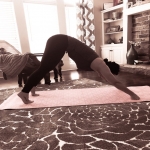
Yoga is an Hindu spiritual and ascetic discipline involving specific body postures including breathing techniques to achieve health and relaxation benefits. However, when certain joints are injured it can be a struggle to accomplish the various poses without inducing pain.
Modified Yoga poses for wrists and hands
For hand and wrist injuries modifying and substituting are a fantastic way to be successful at yoga without becoming frustrated due to pain. Try taking the pressure from the hands and wrists by using the forearms for balance. Practice yoga on thicker yoga mats or two mats to avoid the compression of hard wood flooring. If you use your hands, ensure that you use even distribution throughout the palms, fingers and fingertips. Consider using a yoga wedge for poses that require hand use as this takes the weight off the wrists. Making a fist and planting the fist down will protect the hand and wrist yet maintaining the balance required for poses. Or course, a rule of thumb with joints and yoga, if it hurts, don’t do it!

Modified Yoga Poses for knees
For knee injuries and yoga, try avoiding planted poses and single-leg poses. Stressing the knees when already injured could create further inflammation and injury. Protect the knee(s) prior to yoga by using a soft compression sleeve if the knee tends to swell of feel unstable. Avoid deep squats and any yoga pose that that require more than a 90-degree angle. Depending on the injury, this can create future damage and agitation. No yoga pose that requires kneeling is advisable. Using a chair to perform poses will help balance and stability with injuries. It’s always a good idea to inform the yoga instructor of injuries prior to any class, this way, modification can be considered.

At the end of sessions
Using ice, elevation and rest after yoga sessions can reduce inflammation and pain if incurred. If your physician approves the use of NSAIDS or topical anti-inflammatory or pain creams these are great for the reduction of swelling after injury. Always consult with your physician before beginning any new exercise and if any injuries occur during exercise.
By Amy Kentopp, CMA