
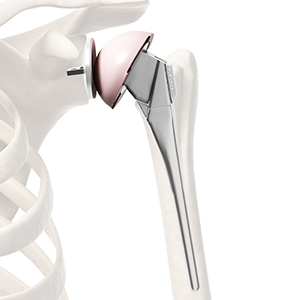
What is Anatomic Shoulder Arthroplasty?
Anatomic shoulder arthroplasty is a surgical procedure that replaces the damaged parts of the shoulder joint with prosthetic components designed to replicate normal anatomy. The humeral head (ball) is replaced with a metal implant, while the glenoid (socket) is resurfaced with a durable plastic component. This procedure is typically performed when the rotator cuff is intact, allowing the joint to function in a more natural way after surgery.
What are the Benefits of Anatomic Shoulder Arthroplasty?
This procedure offers several advantages for patients with advanced shoulder joint damage. Key benefits include:
- Significant pain relief by removing damaged joint surfaces
- Improved range of motion for daily activities
- Restoration of natural shoulder mechanics when the rotator cuff is healthy
- Enhanced strength and function of the shoulder
- Long-lasting results with modern implant technology
When is Anatomic Shoulder Arthroplasty Recommended?
This surgery is recommended when conservative treatments no longer provide relief. Common indications include:
- Advanced osteoarthritis causing joint degeneration
- Rheumatoid arthritis affecting the shoulder joint
- Post-traumatic arthritis following injury
- Avascular necrosis of the humeral head
- Persistent pain and stiffness despite non-surgical care
- Intact rotator cuff necessary for proper function of the implant
What does preparation for Anatomic Shoulder Arthroplasty involve?
Preparation begins with a comprehensive evaluation by an orthopedic surgeon. This includes a physical exam, imaging studies such as X-rays or MRI, and a review of medical history. Patients may need to stop certain medications, optimize underlying health conditions, and complete preoperative lab work. Pre-surgical physical therapy may also be recommended to strengthen surrounding muscles and improve postoperative outcomes.
How is Anatomic Shoulder Arthroplasty performed?
The procedure is typically performed under general anesthesia. The surgeon makes an incision over the shoulder, removes the damaged cartilage and bone, and prepares the joint surfaces. A metal stem with a rounded head is placed into the humerus, and a plastic component is secured to the glenoid. The implants are positioned to closely match the patient’s natural anatomy, allowing for smoother movement and improved joint function.
What to Expect during Recovery after Anatomic Shoulder Arthroplasty?
Recovery involves a structured rehabilitation program. Initially, the arm is supported in a sling while healing begins. Physical therapy starts soon after surgery to gradually restore motion and strength. Most patients can resume light activities within a few weeks, while full recovery may take several months. Pain typically improves significantly, and function continues to increase with consistent therapy.
What are the Risks and Complications of Anatomic Shoulder Arthroplasty?
As with any surgical procedure, there are potential risks. These may include:
- Infection at the surgical site
- Implant loosening or wear over time
- Nerve or blood vessel injury
- Stiffness or limited range of motion
- Dislocation or instability of the joint
- Blood clots or anesthesia-related complications